I'll be honest—I used to dread printer maintenance. Swapping nozzles, tightening loose belts, adjusting eccentric nuts, assembling multi-part prints with heat-set inserts... it all meant digging through a drawer of mismatched screwdrivers and hex keys, inevitably stripping a screw or two, and ending up with a sore wrist.
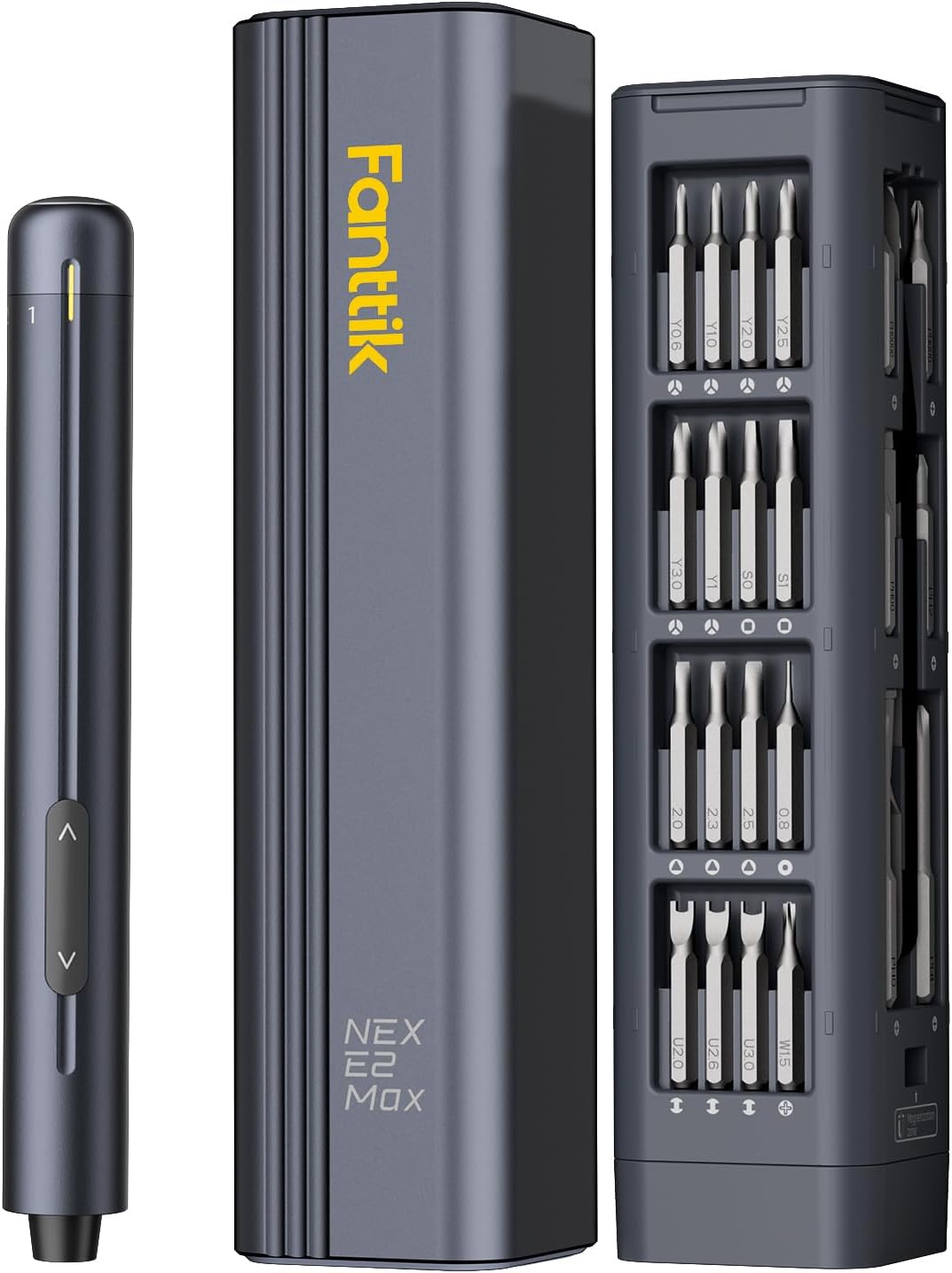
Then I picked up the Fanttik NEX E2 Max Mini Electric Screwdriver, and now I actually look forward to tinkering with my printer. That probably sounds dramatic for a screwdriver, but hear me out...
Why a Mini Electric Screwdriver?
3D printers are held together by dozens—sometimes hundreds—of small screws. M3s, M4s, tiny grub screws, hex socket caps... they're everywhere. And if you're assembling printed parts with threaded inserts, you're dealing with even more.
Manual screwdrivers work, but they're slow and fatiguing. Full-size power drills are overkill and risk over-torquing delicate components. What you need is something in between: precise, powerful enough to be useful, but controlled enough not to destroy things.
The Fanttik E2 Max hits that sweet spot perfectly.
Three Torque Settings = No More Stripped Screws
This is the feature that sold me. The E2 Max has three torque settings:
- 0.05 N.m – For delicate electronics and tiny screws
- 0.2 N.m – A nice middle ground for most tasks
- 0.4 N.m – Maximum torque for stubborn fasteners
For 3D printer work, I live on the middle setting. It's enough to drive M3 screws into heat-set inserts without stripping the plastic, snug up belt tensioners without over-tightening, and remove stuck screws that have been in place for months.
The low setting is perfect for working on the electronics—tightening terminal blocks, securing stepper motor connectors, or anything on the control board where you really don't want to slip and cause damage.
And when I'm assembling a new printer kit or dealing with frame screws that need real torque? The high setting handles it without breaking a sweat.
50 Bits Means I Actually Have What I Need
If you've ever gone to work on your printer only to realize you don't have the right size hex key... you know the frustration. The E2 Max set comes with 50 precision bits in 12 different types, all made from hardened S2 steel.
What I use most for 3D printing:
- Hex bits (H1.5, H2, H2.5, H3) – These cover 90% of 3D printer fasteners
- Phillips and flathead – For the occasional oddball screw
- Torx bits – Some printers use these for certain components
The set even includes a longer 1.78" hex 2.0 bit, which is a lifesaver for reaching recessed screws—like the ones holding the extruder assembly together on many printers.
Everything stores magnetically inside the screwdriver body itself, so bits don't get lost in my toolbox chaos.
The Battery Actually Lasts
Nothing kills momentum like stopping to charge your tools. The Fanttik E2 Max has an 800 mAh battery and in my experience, it lasts for weeks of regular use before needing a charge.
When it does need juice, it charges via Type-C (finally, a tool that uses the same cable as everything else), so I can top it off from my desk charger or even a portable battery pack.
How I Use It for 3D Printing
Here are the specific tasks where this little screwdriver has become indispensable:
Printer Assembly and Upgrades
Whether you're assembling a 3d printer or just installing a new hotend, there are so many screws. The E2 Max with a 220 RPM motor turns hours of hand-cramping assembly into a much faster, more pleasant experience. The variable torque means I can zip through frame screws on high, then dial it back for delicate components.
Heat-Set Insert Installation (Post-Assembly)
If you're designing functional prints, you're probably using heat-set inserts. After you've melted them into your printed parts with a soldering iron, you need to drive screws into them—often dozens of times for a single project. The electric screwdriver makes this painless, and the torque control prevents you from pulling the inserts right back out of the plastic.
Belt Tensioning and Maintenance
Most belt tensioner systems use small screws that need to be adjusted precisely. Too tight and you stress the motors; too loose and you get ringing artifacts. The fine control of an electric screwdriver lets me make small adjustments without overshooting.
Nozzle and Hotend Work
Accessing the nozzle area usually means removing shrouds, fans, and covers—all held on by small screws. The Fanttik speeds up this process dramatically, and the included long hex bit reaches into tight spaces around the hotend.
Extruder Maintenance
When I need to clear a jam or replace PTFE tubing, I'm removing multiple screws to access the extruder gears. Quick work with the electric screwdriver means less downtime.
Electronics Enclosure Work
The low torque setting shines here. Terminal blocks, board mounting screws, and connector housings all benefit from gentle, controlled tightening. The included ESD tweezers are a nice bonus for handling small components.
The Little Extras That Matter
Beyond the screwdriver itself, the set includes a few thoughtful additions:
- Pry bar – Useful for popping off fan covers and other clips
- ESD tweezers – Great for handling small screws and electronic components
- Magnetic bit storage – Built right into the body, so everything stays together
The aluminum alloy body feels premium and holds up well. It's slim enough to fit in tight spaces and light enough that I can use it for extended sessions without fatigue.
Who Should Get This?
If you check any of these boxes, the Fanttik NEX E2 Max is worth considering:
- You do regular 3D printer maintenance
- You build kits or DIY printers
- You assemble printed parts with screws and inserts
- You work on electronics (printers, drones, computers, phones)
- You're tired of hunting for the right hex key
- Your wrist hurts after assembly projects
If you just print pre-sliced files and never open your printer, you probably don't need this. But if you're the kind of person who actually tinkers with their machine—upgrades, mods, repairs, custom builds—this tool pays for itself in time saved and frustration avoided.
The Bottom Line
The Fanttik NEX E2 Max has earned a permanent spot on my workbench. It's one of those tools that feels like overkill until you use it, and then you wonder how you ever managed without it.
The three torque settings give me confidence I won't destroy delicate components. The 50-piece bit set means I always have the right tool for the job. The rechargeable battery and Type-C charging mean it's always ready when I need it. And the compact, magnetic design keeps everything organized.
For anyone serious about 3D printing—or really any precision work—this is the kind of tool that makes the hobby more enjoyable.